Hippocrates (c. 460-370 BC)
The Father of Medicine
"The physician treats, but nature heals".
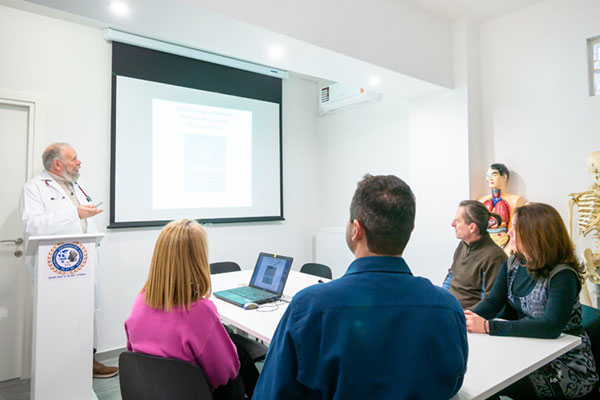
Advanced Diploma in Naturopathy
Naturopathic medicine is based on the principle that the body has an inherent capacity to maintain and restore health. Naturopathic practitioners assess the individual holistically, considering physical, nutritional, lifestyle, and environmental factors that may contribute to health concerns. Naturopathic practice incorporates a range of therapeutic modalities including herbal medicine, clinical nutrition, hydrotherapy, homeopathy, and lifestyle-based interventions. These approaches are applied within a person-centred and evidence-informed framework that complements broader healthcare practices.
Panhellenic Naturopathic Association
Upon completion of the program, graduates may apply for membership with professional naturopathic associations according to the criteria of the respective organisations.
The Advanced Diploma in Naturopathy is delivered across 8 academic semesters, integrating biomedical sciences, naturopathic philosophy, nutrition, herbal medicine, clinical sciences, and supervised clinical practice.
The curriculum is designed to support the development of competent naturopathic practitioners through structured academic learning, practical training, and applied clinical education.
Semester 1 — Foundations of Health Sciences
Fundamentals of Human Biology and Physiology
Principles of Chemistry and Biochemistry
Evolution of Healing Practices Throughout History
Effective Communication and Counselling Skills
Principles and Application of Naturopathic Philosophy
Semester 2 — Nutrition and Herbal Foundations
Advanced Human Biology and Physiology
Introduction to Human Nutrition
Study of Herbal Plants and Production Techniques
Comprehensive Study of Herbal Medicines
Introduction to Critical Thinking and Research Skills
Understanding the Energetics of Food
Semester 3 — Clinical and Therapeutic Sciences
Medicinal Properties of Food
Pathology and Clinical Science Fundamentals
Principles of Pharmacology
Biochemical Aspects of Nutrition
In-depth Study of Herbal Medicines
Psychology and Theories of Counselling
Semester 4 — Advanced Clinical Sciences
Practical Clinical Skills Development
Pharmacology and Pharmacognosy of Herbal Medicine
Advanced Pathology and Clinical Science
Sociology of Food and its Impact on Health
Homeopathic Treatment for Acute Conditions
Comparative Analysis of Different Medicinal Substances
Homeopathic Case Assessment and Analysis
Semester 5 — Clinical Assessment and Practice
Application of Herbal Medicine in Clinical Settings
Advanced Clinical Skills Development
Planning Dietary Strategies for Different Life Stages
Techniques for Clinical Diagnosis
Conducting Comprehensive Clinical Examinations
Semester 6 — Applied Clinical Training
Application of Nutrition in Clinical Practice
Practical Experience in Naturopathic Clinical Settings
Interpersonal Skills for Assisting Patients
Incorporating Mindfulness in Healthcare Practice
Naturopathic Tools
Semester 7 — Advanced Clinical Practice
Advanced Clinical Practicum in Naturopathic Care
In-depth Study of Advanced Herbal Medicine
Foundations of Public Health and its Relationship to Naturopathy
Research Methods in Nutritional Physiology
Promoting Community Health through Nutrition Education
Biochemical Blood Test Analysis
Semester 8 — Professional Practice
Applied Clinical Practice in Naturopathy
Establishment and Management of a Naturopathic Practice
Program Structure
Program: Advanced Diploma in Naturopathy
Duration: 8 Academic Semesters
Estimated Total Program Hours: 4,200 hours
Delivery Format:
Face-to-face learning
Virtual synchronous teaching
Online learning
Supervised clinical training
Clinical training is incorporated progressively across advanced semesters, including supervised patient interaction and clinical case analysis.
Students are trained in a range of naturopathic and clinical assessment methods used to evaluate health status and support clinical decision-making.
Training includes:
Clinical history taking
Case assessment and documentation
Physical observation techniques
Tongue, nail, skin, and facial observation
Iridology (as a traditional observational method)
Laboratory and biochemical test interpretation
Blood test analysis
Functional health assessment
Traditional diagnostic concepts (including Traditional Chinese Medicine observational methods)
Students are trained in the application of a wide range of naturopathic therapeutic modalities used in preventive and supportive healthcare.
Training includes:
Herbal Medicine
Clinical Nutrition
Homeopathy
Hydrotherapy
Manual and physical therapies
Infrared therapy
Traditional natural health applications
Lifestyle and wellness interventions
Mind-body support techniques
Therapeutic use of water-based treatments
Supportive detoxification strategies
Students learn to apply naturopathic therapeutic principles in the support of health and wellbeing across different physiological systems.
Training includes:
Nutritional strategies for different life stages
Herbal medicine applications
Dietary planning for health support
Lifestyle-based interventions
Public health and preventive care strategies
Stress and behavioural support
Immune system support strategies
Digestive health support
Cardiovascular health support
Metabolic health support
Environmental health awareness
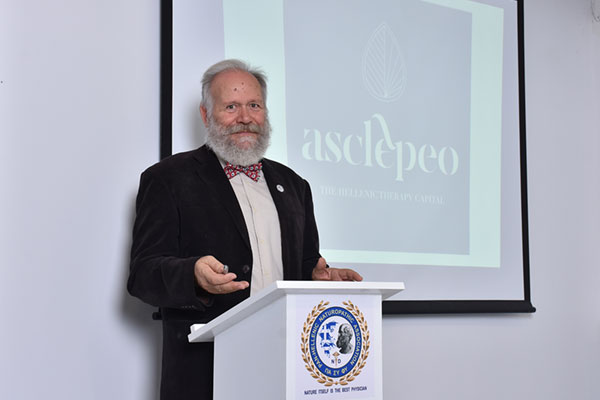

Asclepeo Academy provides structured education in naturopathic medicine supported by qualified educators and clinical supervisors. The institution integrates academic learning with practical training in clinical environments, supporting students in the development of professional knowledge, clinical skills, and ethical practice.
We believe in the system of flexible timeline studying and learning. Study and complete your course at your own pace.
Graduates of the Advanced Diploma in Naturopathy may apply for membership with the Panhellenic Naturopathic Association, subject to the eligibility requirements of the association.
The Panhellenic Naturopathic Association is a professional organisation affiliated with the World Naturopathic Federation (WNF).
Educational materials are provided through structured digital learning resources and institutional learning platforms. Printed textbooks may be recommended where applicable.
Educational Partnerships and Academic Cooperation
Aligned with professional naturopathic education standards recognised by the Panhellenic Naturopathic Association